How Does an Engine Immobilizer System Work? by Prolocksmith Orlando
Modern vehicles are smarter and more secure than ever before, and one of the most important anti-theft technologies is the engine immobilizer system. If you have ever wondered why a car may crank but not start, or why a replacement key sometimes needs programming, the immobilizer system is often the reason.
At Prolocksmith Orlando, we help drivers every day with car key programming, transponder key replacement, ignition issues, and emergency lockout services. Understanding how your engine immobilizer works can help you prevent theft, avoid costly mistakes, and know when to call a professional locksmith.
If you are searching for answers about immobilizer systems, this guide explains everything you need to know in simple terms.
What Is an Engine Immobilizer System?
An engine immobilizer is an electronic security device installed in most modern vehicles. Its purpose is to prevent the engine from starting unless the correct key or key fob is present.
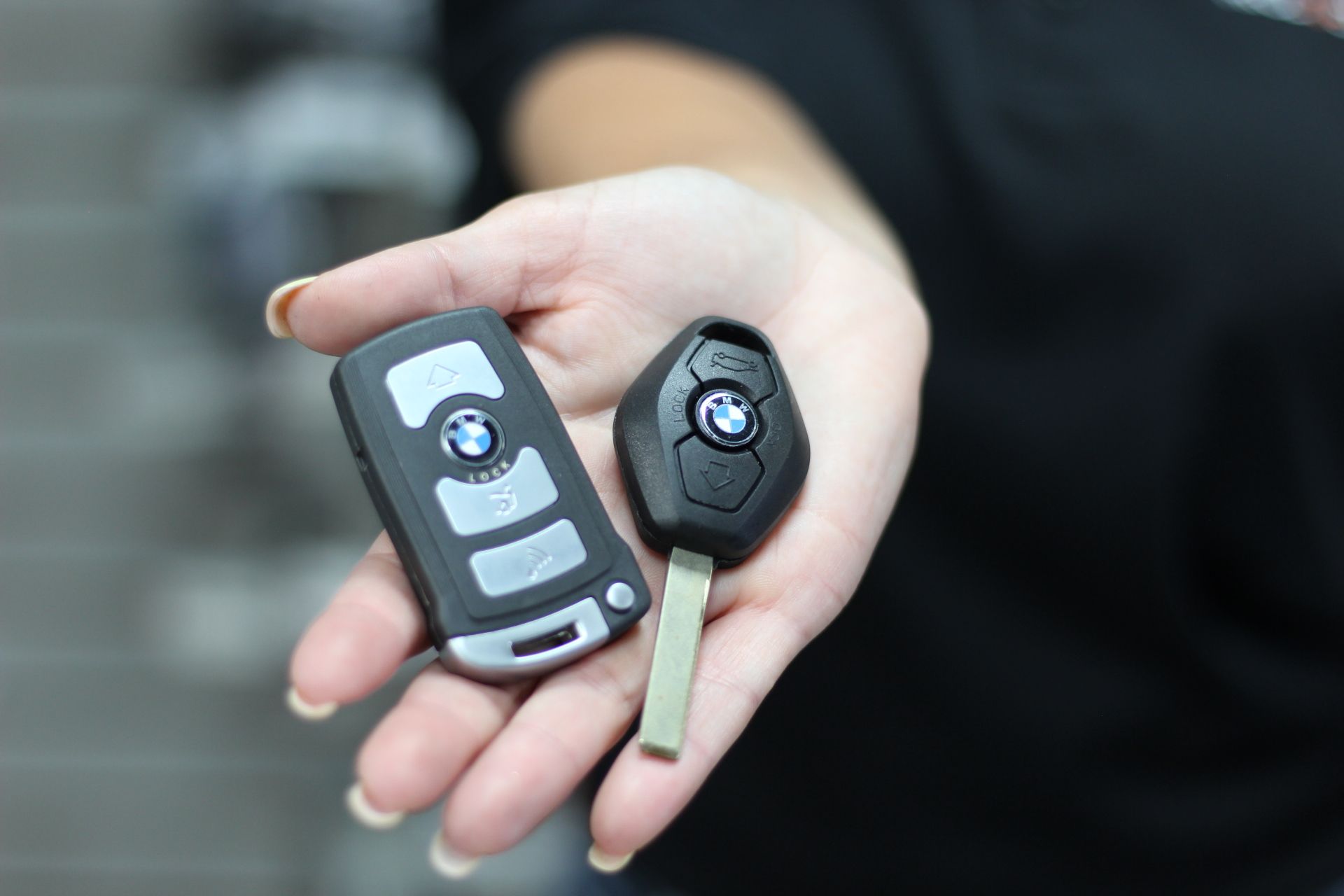
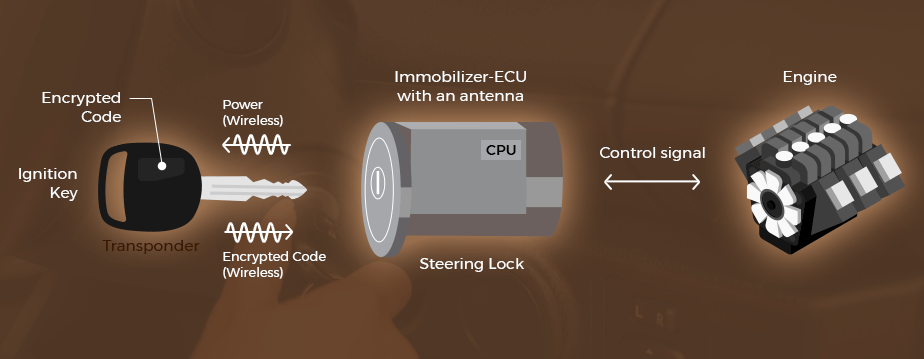
The system communicates with a chip inside your key—commonly called a transponder chip. When you insert the key into the ignition or bring the key fob near the push-start button, the vehicle checks whether the key is authorized. If the code matches, the engine starts normally.
If it does not match, the system blocks ignition, fuel delivery, or starter motor operation.
This technology has significantly reduced vehicle theft worldwide.
Learn more about anti-theft systems from the National Highway Traffic Safety Administration (NHTSA).
How Does an Engine Immobilizer System Work?
The immobilizer system works through a secure communication process between the key and the car’s onboard computer.
Step 1: Key Detection
When you turn the key or press the start button, the vehicle looks for an authorized transponder chip or smart key signal.
Step 2: Code Verification
The chip sends a unique encrypted code to the vehicle’s immobilizer control unit or ECU (Engine Control Unit).
Step 3: Authorization
If the code matches the one stored in the vehicle’s memory, the ECU allows the engine to start.
Step 4: Theft Prevention
If the wrong key is used—or if no chip is detected—the ECU disables critical systems such as:
- Fuel pump
- Ignition spark
- Starter motor
- Engine management system
Without authorization, the vehicle will not start.
Why Engine Immobilizers Are Important for Car Security
Car thieves used to rely on hotwiring, forced ignition turns, or copied metal keys. Immobilizer systems changed that.
Benefits of Engine Immobilizers
Strong Theft Protection
Even if a thief gains access to the cabin, they still need the programmed key.
Reduced Insurance Risk
Some insurance providers may offer lower premiums for vehicles with anti-theft devices.
Better Vehicle Value
Modern security systems increase resale appeal.
Harder to Duplicate Keys
Transponder keys require programming, not just cutting.
For identity and fraud prevention tips related to stolen keys or scams, visit the Federal Trade Commission.
What Components Make Up an Immobilizer System?
Understanding the parts of the system can help diagnose problems.
Transponder Key or Smart Key
Contains a microchip with a unique digital code.
Antenna Ring / Receiver Coil
Located around the ignition cylinder or inside the start button area. Reads the key signal.
Immobilizer Control Module
Processes the signal and communicates with the ECU.
ECU (Engine Control Unit)
Controls engine start permissions.
Dashboard Security Light
Many vehicles have a blinking key or padlock icon that indicates immobilizer status.
If your warning light stays on or flashes rapidly, the immobilizer may need service.
Common Signs of Engine Immobilizer Problems
Sometimes the immobilizer works too well—meaning it blocks the car even when you own it. Common symptoms include:
Car Cranks but Won’t Start
The engine turns over, but the immobilizer blocks fuel or spark.
Key Turns but Nothing Happens
A communication issue may exist between the chip and vehicle.
Security Light Flashing
This often means the key was not recognized.
Intermittent Starting Problems
The key chip, battery, antenna ring, or module may be failing.
Push-Button Start Not Detecting Key
Often caused by a weak key fob battery or programming issue.
If you notice these issues, professional diagnosis is recommended.
Can a Dead Key Battery Cause Immobilizer Problems?
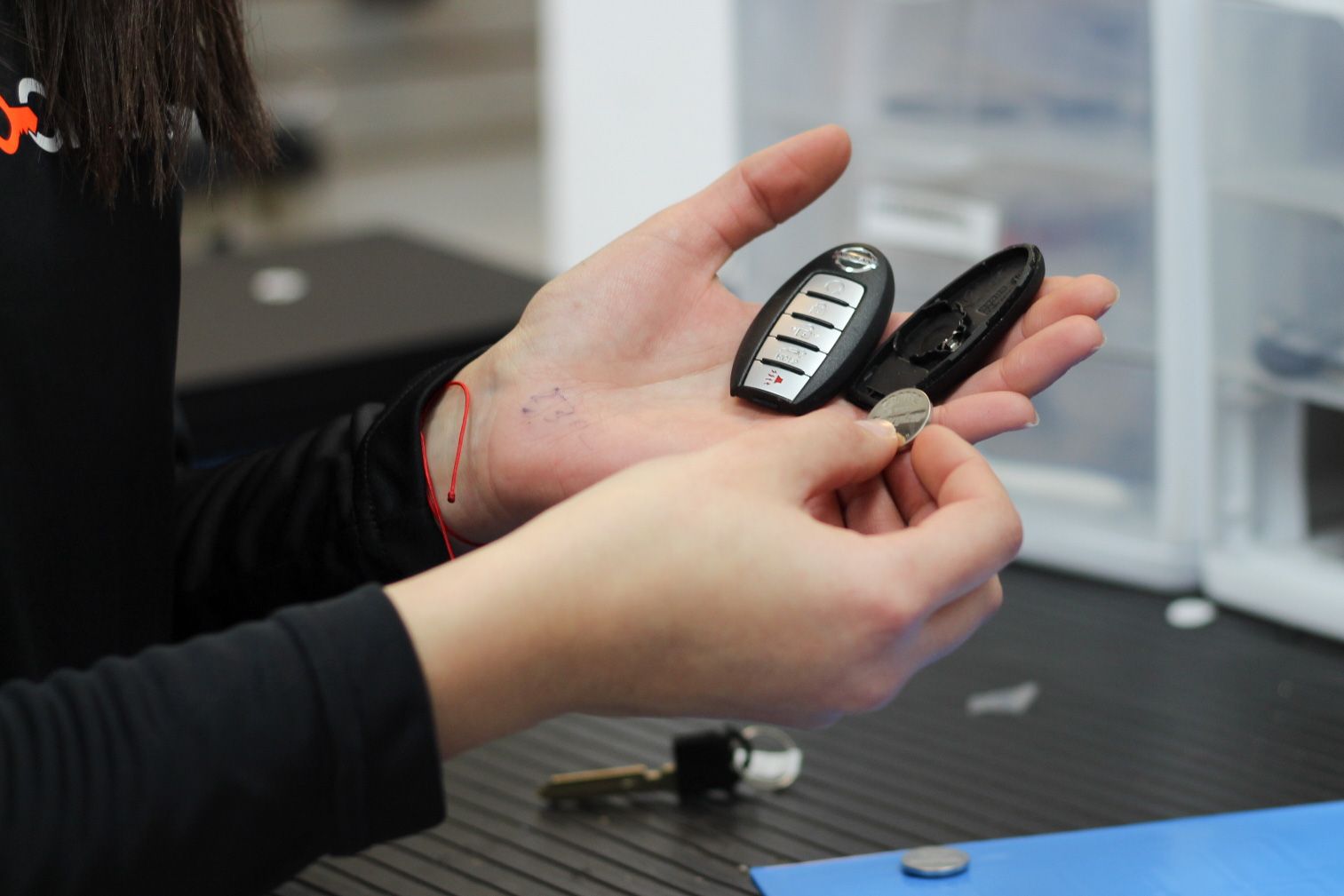
Yes—especially with proximity smart keys and push-to-start systems.
If the battery in your fob dies:
- The car may not detect the key
- Remote lock/unlock may stop working
- Push-button start may fail
Many vehicles have an emergency backup method, such as holding the key fob near the start button.
Check your owner’s manual or contact a locksmith for assistance.
What Happens If You Lose All Keys?
Losing every key can be stressful, especially if your vehicle uses an immobilizer.
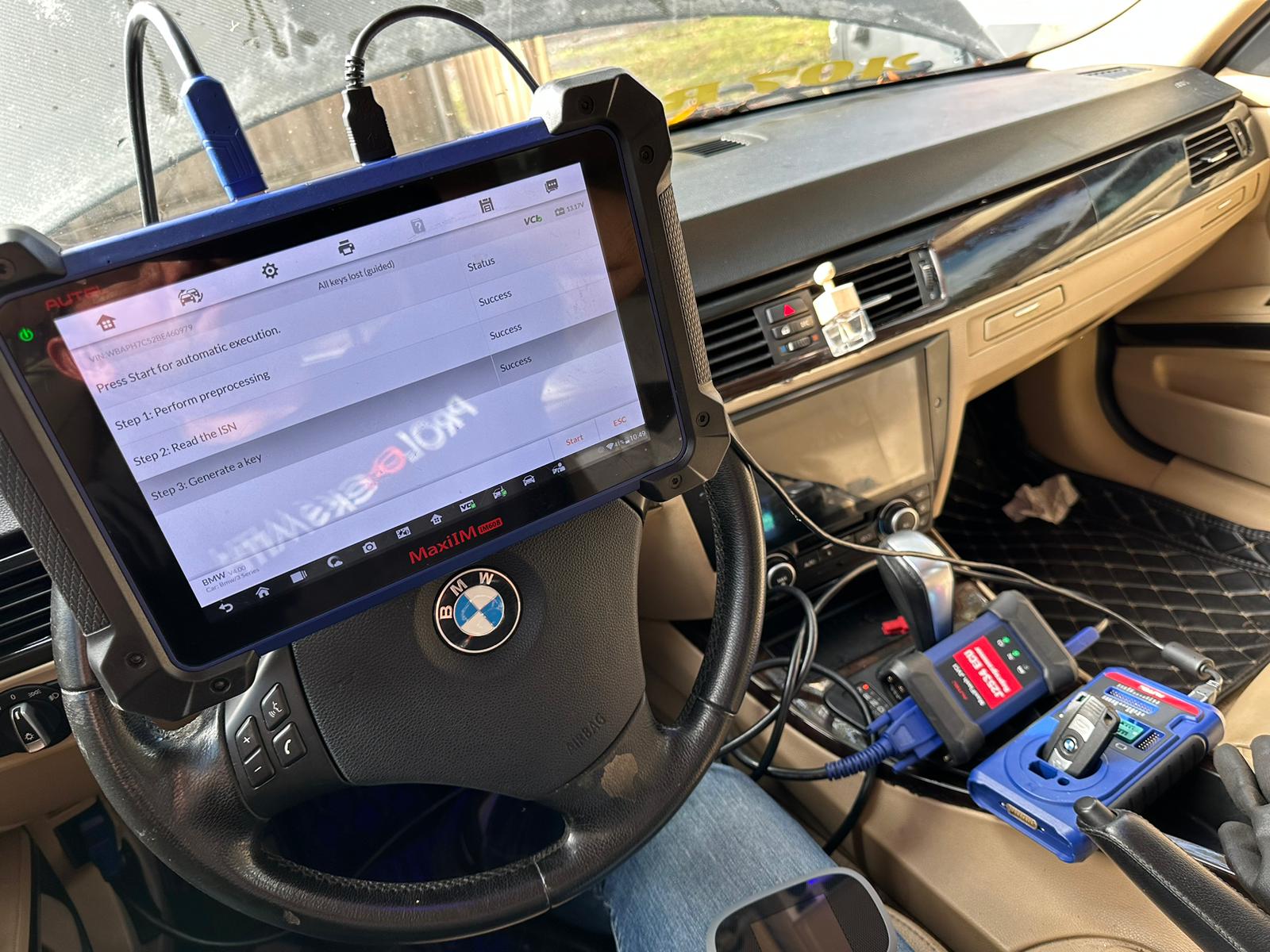
Unlike old mechanical keys, replacing an immobilizer key usually requires:
- Cutting a new key blade
- Programming a transponder chip
- Syncing the key to the vehicle computer
- Deleting lost keys from memory (recommended for security)
That is where a professional automotive locksmith can save time and money compared with towing to a dealership.
For fast help, visit our Car Key Replacement Services page.
Can a Locksmith Program Immobilizer Keys?
Yes. A qualified automotive locksmith can often program new keys for many makes and models on-site.
At Prolocksmith Orlando, we assist with:
- Transponder key replacement
- Smart key fob programming
- Lost all keys situations
- Broken key extraction
- Ignition repair assistance
- Emergency vehicle lockouts
Many customers are surprised to learn mobile locksmiths can complete the job at their location.
Need immediate service? Visit our Emergency Locksmith Orlando page.
Engine Immobilizer vs Car Alarm: What’s the Difference?
People often confuse alarms with immobilizers, but they serve different purposes.
Car Alarm
- Makes noise when intrusion is detected
- Uses sensors for doors, motion, impact, or glass breakage
- Draws attention to theft attempts
Engine Immobilizer
- Prevents the engine from starting
- Silent security system
- Requires authorized key programming
The best protection comes from having both systems.
Can Immobilizer Systems Be Hacked?
No security system is perfect, but immobilizers are still one of the best anti-theft tools available.
Some advanced theft methods may target:
- Signal relay attacks on smart keys
- OBD programming theft attempts
- Cloned key signals on vulnerable older systems
To reduce risk:
Store Smart Keys in RFID Blocking Pouches
These can help block signal relay attacks.
Keep Software Updated
Some manufacturers release security updates.
Reprogram Lost Keys Immediately
If a key is missing, have it removed from the system.
Use Steering Wheel Locks
Physical deterrents still help.
How to Know If Your Vehicle Has an Immobilizer
Most vehicles built in the last two decades include one. Signs include:
- A key icon or padlock light on the dashboard
- A plastic-headed transponder key
- Push-button start system
- Key requiring programming instead of simple duplication
You can also search your owner’s manual or ask a locksmith.
For general background information, see Wikipedia’s article on immobilisers.
What to Do If Your Immobilizer Stops Working
If your car suddenly will not start due to immobilizer issues:
1. Try a Spare Key
The original key chip may be damaged.
2. Replace the Fob Battery
Especially important for smart keys.
3. Check Dashboard Warning Lights
Flashing security icons often point to recognition issues.
4. Avoid DIY Reprogramming Mistakes
Incorrect attempts can lock out the system.
5. Call a Professional Locksmith
This is often faster and less expensive than dealership service.
Visit our Automotive Locksmith Orlando page for assistance.
Why Choose Prolocksmith Orlando for Immobilizer Key Help?

When your car will not start or your keys are lost, speed matters. Prolocksmith Orlando provides fast, professional mobile locksmith solutions throughout the Orlando area.
Why Customers Call Us:
- Fast mobile response
- Car key cutting and programming
- Emergency lockout support
- Experienced technicians
- Service for many vehicle brands
- Convenient on-site assistance
Whether you need a spare transponder key or help after losing every key, our team is ready to help.